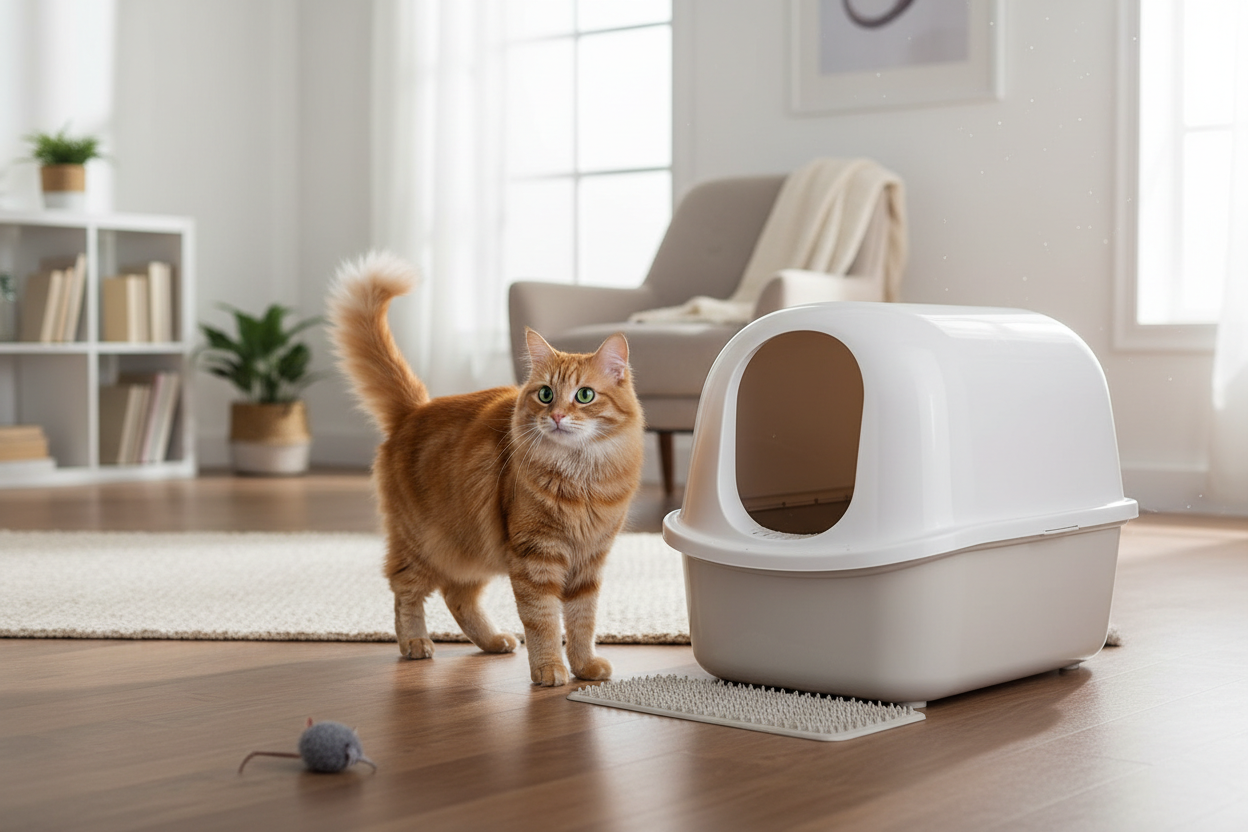
Over the past few years the UK has seen a meaningful rise in cat ownership and “pet parent” spend. In 2024, 12.5 million cats lived in UK households (up from 2023), and 60% of households owned at least one pet. That’s a big, resilient customer base for everyday pet care.
At the same time, more cats are living fully indoors, a long running shift that naturally increases litter usage and purchase frequency. The PDSA’s PAW Report tracks indoor only cats rising from 15% to 31% over 14 years. More indoor cats = more litter changed, more often.
Why cat litter is a standout opportunity
Unlike many accessories, litter is a high frequency consumable (closer to food in repeat purchase behaviour). Yet it has historically attracted less visible R&D and fewer differentiated brands than pet nutrition, leaving room for innovation in odour control, dust reduction, tracking, and sustainability.
Analysts put the UK cat litter market in the hundreds of millions and growing: estimates range from c. US$260–740m in 2024/25, with ~5–8% CAGR through 2030. The biodegradable/plant-based segment is expanding even faster globally (c. 9% CAGR).
Investment backdrop: consolidation + category heat
Even as venture funding into pet startups cooled in 2024, strategic buyers continued to invest across pet care (food, health, and adjacent consumables), a signal of long term confidence in the category. Example: General Mills’ $1.45bn deal for Whitebridge Pet Brands to deepen its pet portfolio.
For founders and brand owners, litter sits at the intersection of recurring revenue and clear product payoff (smell, cleanliness, convenience). That’s a strong case for subscription or auto replenishment, and a practical way to build lifetime value.
What “good” looks like in litter (and why now)
Performance first: fast clumping, genuine low dust, low tracking, strong odour control.
Credible sustainability: plant-based or recycled inputs, honest claims that meet UK green claims guidance.
Format & logistics: lighter bags or concentrated formats to reduce shipping costs and storage pain.
Human centred design: easy pour packaging, tidy storage, and clear guidance for multi-cat homes.
Retail + DTC: presence where cat owners already shop (grocery/pet retail) plus a simple online repeat model.
Risks to manage
Commodity swings (e.g., bentonite pricing): mitigate with diversified sourcing and a premium, differentiated range.
Greenwashing traps: substantiate disposal and compostability claims; avoid over-promising.
Price sensitivity: offer good-better-best tiers and obvious value per use.
Bottom line
UK cat ownership is large and stable; indoor living is up; and litter is a repeat-purchase consumable with visible whitespace for better performance and greener choices. With smart R&D and a clear value story, cat litter can become one of the most profitable, defensible positions in the cat sector over the next cycle.