A picture says a thousand words, and for pet brands, it can say even more. Your visual identity is the first thing customers notice, and it can make or break their perception of your brand. Here’s why investing in a strong visual identity is crucial for pet brands.
Stand Out in a Competitive Market
The pet industry is booming, and it’s easy for brands to get lost in the crowd. A well-designed logo, consistent colour palette, and playful visuals can help your brand grab attention and remain memorable.
Connect Emotionally With Your Audience
Pet owners are driven by love and care for their furry companions. A warm, approachable, and relatable visual identity can help create an emotional bond between your brand and your customers.
Build Trust and Credibility
A cohesive, professional visual identity signals that your brand is trustworthy and established. Pet owners want to invest in brands they can rely on for quality and safety.
Drive Recognition Across Channels
Whether it’s your social media, website, or product packaging, a consistent visual identity ensures your brand is instantly recognisable. This familiarity builds loyalty and keeps customers coming back.
Tell Your Brand’s Story
Your visual identity isn’t just about looking good—it’s about communicating your values and mission. For example, eco-conscious pet brands might use earthy tones and sustainable imagery to reflect their ethos.
Your visual identity is the cornerstone of your pet brand’s success. By creating a cohesive, engaging look and feel, you can connect with your audience, stand out from the competition, and build lasting trust.
Learn more about Our Services.
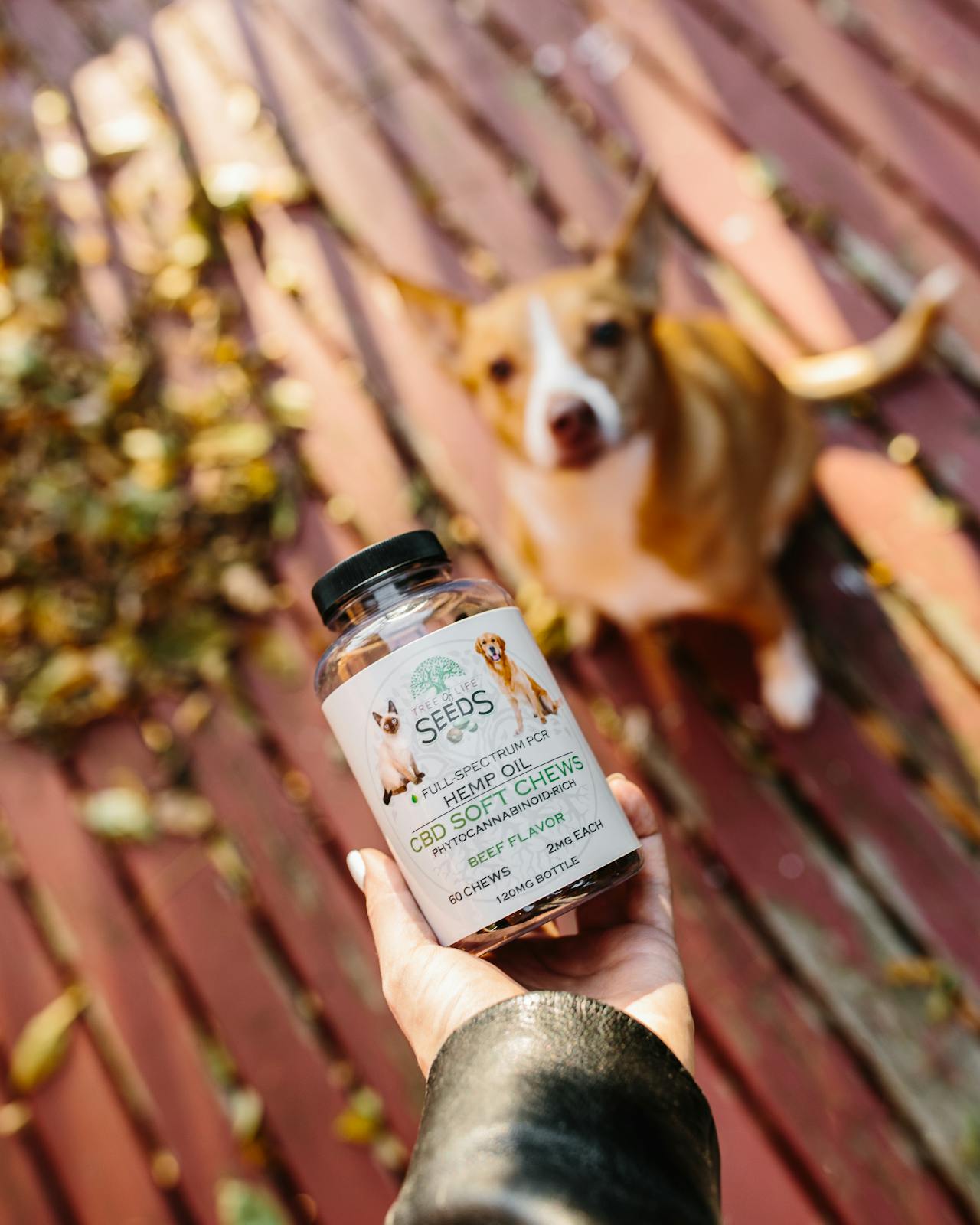
Why Your Pet Brand Needs a Strong Visual Identity
Related Posts

How Pet Brands Can Turn Customers Into Content Creators
Some of the most effective content a pet brand can use doesn’t come from the brand itself. It comes from customers. Real owners sharing real experiences create a level of authenticity that is difficult to replicate through traditional marketing. This is why more brands are focusing on turning their customers into content creators. Why Customer Content Works So Well Customer content feels genuine. It reflects real homes, real routines and real results. This makes it easier for potential customers to trust what they are seeing. Unlike highly controlled brand content, it shows how a product fits into everyday life without feeling staged. Lowering the Barrier to Participation One of the biggest challenges is getting customers to actually create content. The easier it is to participate, the more likely people are to engage. Simple prompts, clear ideas and minimal effort requirements all help increase participation. Customers are far more likely to share content if they know exactly what to do. Creating a Reason to Share People are more likely to create content when there is a clear reason to do so. This might be recognition, the chance to be featured or simply feeling part of a community. When customers feel valued and acknowledged, they are more willing to engage. Building Content Into the Customer Journey The best way to generate consistent content is to make it part of the overall experience. Encouraging customers to share moments after a purchase, during product use or as part of a routine helps create a steady flow of content. This approach removes the need to constantly ask for content and instead builds it into the process. Using Customer Content Effectively Once content is created, it should be used across multiple channels. Sharing it on social media, incorporating it into product pages and using it in marketing campaigns all help maximise its value. This also reinforces trust by showing real people using the product. Strengthening Community Through Content Customer content does more than support marketing. It helps build a sense of community. When people see others sharing similar experiences, it creates a feeling of connection. This encourages more participation and strengthens the relationship between the brand and its audience. Final Thought Turning customers into content creators is one of the most effective ways to scale content while building trust. By making it easy, rewarding and part of the overall experience, pet brands can create a continuous stream of authentic, high-performing content. If you’re looking to build a content strategy that leverages real customer experiences, Social Pack supports pet brands with systems that turn everyday moments into powerful marketing assets.
Learn more
How to Make Influencer Content Convert for Pet Brands
Influencer marketing is widely used across the pet industry, but not all campaigns lead to sales. Many brands see strong engagement but struggle to translate that into measurable results. The content looks good, the reach is there, but conversions don’t follow. The difference usually comes down to how the content is structured and what happens around it. Engagement Does Not Equal Conversion High engagement can be misleading. Likes, comments and views are useful indicators of interest, but they do not always lead to action. For influencer content to convert, it needs to do more than capture attention. It needs to guide the viewer towards a clear next step. Clarity Drives Action One of the simplest ways to improve conversion is to make the message clear. When content tries to communicate too much, it becomes difficult to follow. Viewers may enjoy it, but they won’t necessarily understand what to do next. Focusing on one clear benefit or use case makes the content easier to process and more likely to drive action. Context Makes Products Easier to Buy Products are far easier to sell when they are shown in context. A grooming product used after a muddy walk or a calming product used during a quiet evening gives the viewer a clear understanding of when and why it is needed. This reduces friction and makes the purchase decision feel more natural. The Importance of Repetition One-off posts rarely convert at scale. When a product appears consistently across multiple pieces of content, it becomes familiar. This familiarity builds trust and increases the likelihood of purchase. Working with creators over a longer period allows this repetition to happen naturally. Strong Calls to Action Matter Even the best content can underperform if there is no clear next step. A simple, well-placed call to action can make a significant difference. Whether it’s directing viewers to a website, highlighting a limited offer or encouraging them to learn more, clarity is key. The easier it is to take action, the more likely it is to happen. Using Content Beyond the Original Post Influencer content should not stop at the point of posting. Repurposing content across your own channels, using it in paid campaigns or integrating it into your wider marketing strategy extends its value. This also increases the number of touchpoints a potential customer has with your brand. Final Thought Influencer content that converts is not created by chance. It is built through clarity, context and consistency. By focusing on these elements, pet brands can turn engagement into meaningful results and maximise the value of every campaign. If you’re looking to turn influencer campaigns into a consistent source of revenue, Social Pack supports pet brands with strategy, creator partnerships and performance-focused content.
Learn more
How to Make Influencer Content Feel More Natural
One of the biggest challenges pet brands face with influencer marketing is making the content feel natural. When it works, it’s one of the most effective forms of marketing available. When it doesn’t, it feels forced, overly scripted and easy to ignore. The difference usually comes down to how the content is approached from the start. Why Influencer Content Can Feel Forced Influencer content often starts to feel unnatural when brands try to control too much. Detailed scripts, strict instructions and overly specific requirements can remove the personality that made the creator appealing in the first place. The result is content that looks like an advert rather than something that fits naturally into a creator’s feed. Audiences pick up on this quickly. Let Creators Do What They Do Best Creators understand their audience better than anyone else. They know what type of content performs well, how to communicate naturally and how to present products in a way that feels authentic. When brands allow creators to interpret a brief in their own way, the content becomes far more engaging. This doesn’t mean removing direction completely, but it does mean giving creators space to create. Focus on Real-Life Use The most natural influencer content is built around real situations. A walk, a grooming routine or a quiet moment at home provides context that makes the product feel relevant. When a product is introduced as part of a normal routine, it feels like a recommendation rather than a promotion. This makes it easier for the audience to connect with what they are seeing. Keep the Messaging Simple Overloading influencer content with too many messages can quickly make it feel unnatural. Instead of trying to communicate everything at once, focus on one clear idea. This might be a single benefit, a specific use case or a simple moment that highlights the product. Keeping things simple allows the content to feel more natural and easier to understand. Build Longer-Term Relationships One-off influencer posts can feel transactional. When a creator features a product consistently over time, it becomes part of their routine. This makes the content feel more genuine and believable. Longer-term partnerships also allow brands to build stronger associations with specific creators. This consistency reinforces trust with the audience. Avoid Over-Polishing Highly edited, overly polished content can sometimes work against you. Natural lighting, simple filming and real environments often perform better because they feel more relatable. The goal is not to create perfect content, but content that feels real. Final Thought Influencer marketing works best when it doesn’t feel like marketing at all. By giving creators space, focusing on real-life use and keeping things simple, brands can create content that feels natural and drives far better results. If you’re looking to build influencer campaigns that feel authentic and perform consistently, Social Pack supports pet brands with creator sourcing, campaign management and content strategy.
Learn more